
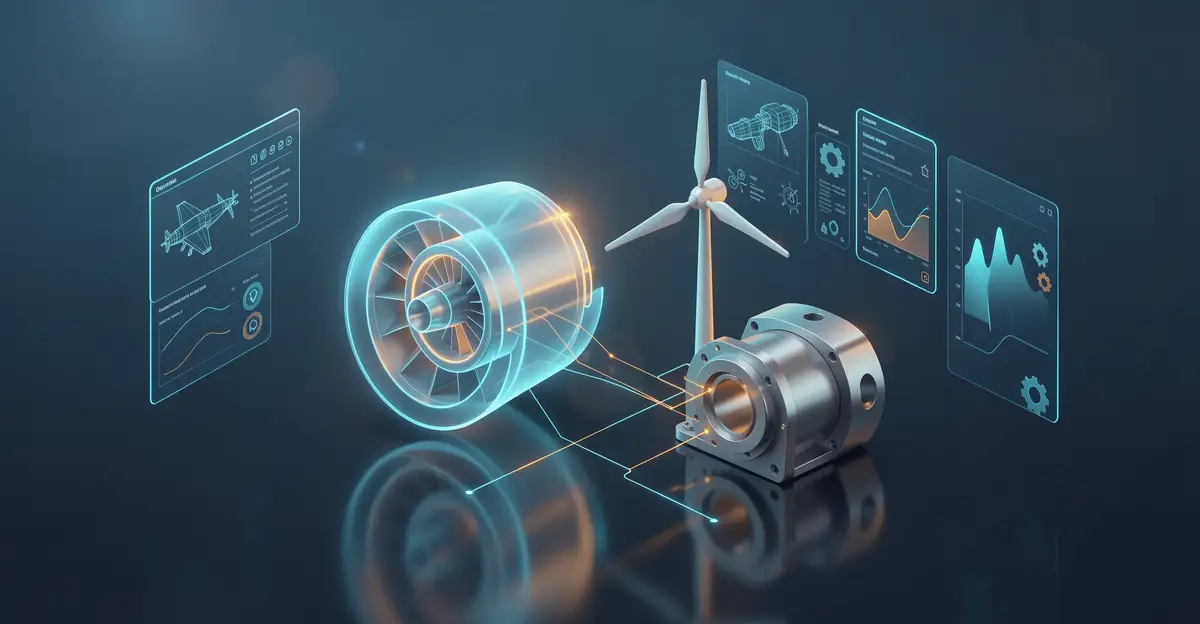
Imagine testing a new bridge design against a hundred-year storm, or fine-tuning a wind turbine without ever shutting it down. That’s the power of a digital twin—a virtual replica that mirrors a real asset, process, or system in real time. In modern engineering, digital twins are transforming how teams design, monitor, and optimize everything from factory floors to entire cities.
This article breaks down how digital twins are used in modern engineering, with clear examples and practical benefits. Whether you’re an engineer or a decision-maker, you’ll learn how to apply this technology to cut costs, reduce risk, and make smarter choices faster.
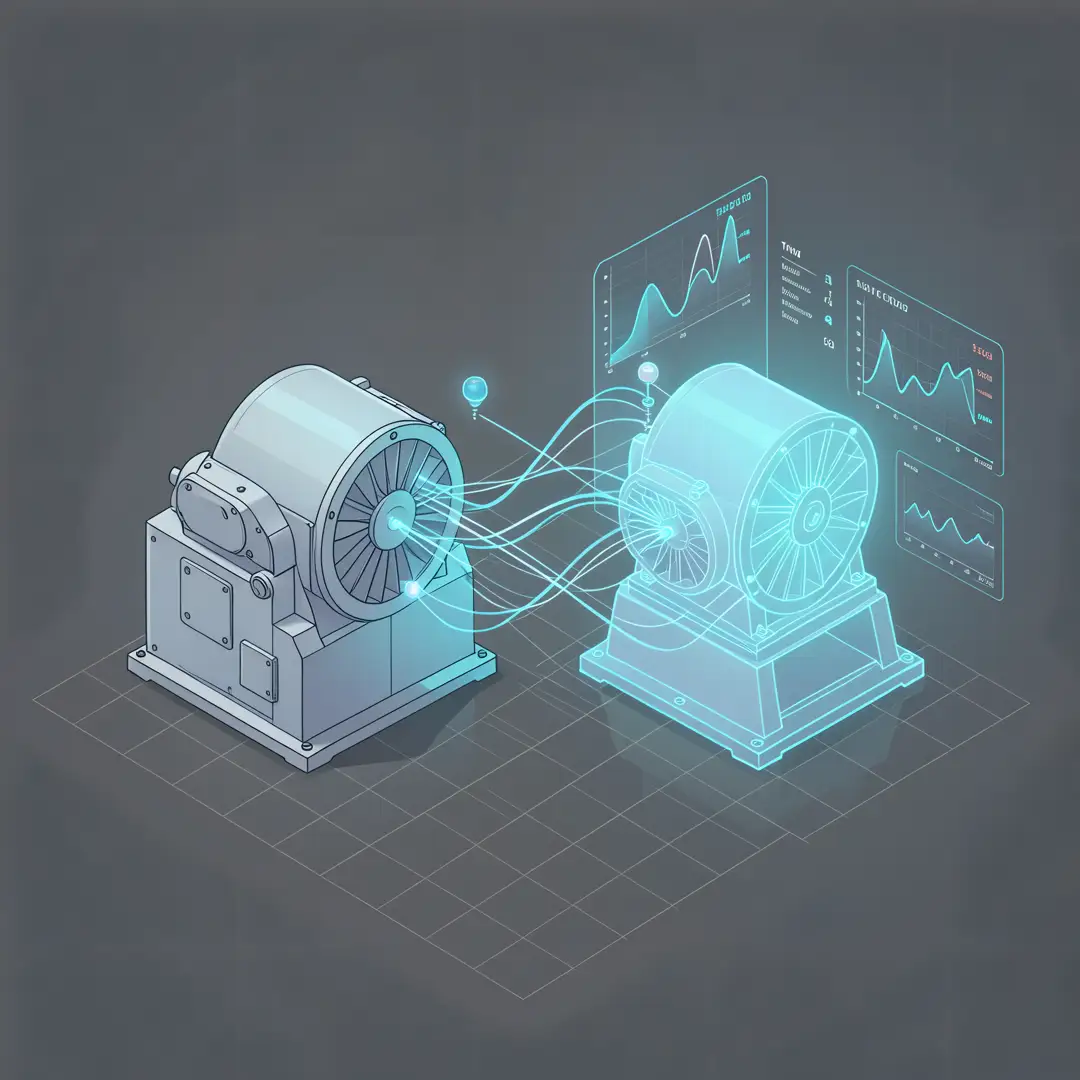
A digital twin is a virtual replica of a physical asset, process, or system that stays synchronized with its real-world counterpart through a steady stream of data. In modern engineering, that idea has moved from a research curiosity to a practical tool that shapes how bridges are maintained, how factories run, and how products are designed. The core promise is straightforward: by mirroring reality in software, engineers can test ideas, predict failures, and make decisions before committing time and money in the physical world. This article explores how digital twins are used in modern engineering with clear, practical guidance you can apply whether you are evaluating the technology for the first time or improving an existing deployment.
Introduction
Engineering has always relied on models. Blueprints, scale prototypes, and computer simulations have long helped teams understand how a design will behave before it is built. What makes the digital twin different is the word “twin.” A conventional simulation runs once and produces a snapshot. A digital twin is continuously fed by sensors, operational logs, and environmental data, so its behavior tracks the behavior of the real asset over its entire life.
That shift matters because most of an engineered system’s cost and risk occur after it is deployed, not before. A pump that fails unexpectedly can halt a production line. A turbine that runs slightly out of tolerance can waste energy for years. A digital twin gives engineers visibility into these conditions in real time and, increasingly, the ability to anticipate them. Understanding the fundamentals of how digital twins are used in modern engineering helps you make informed decisions about where they add value and where simpler tools are sufficient.
This guide is written for a general audience. You do not need a background in data science or control theory to follow it. The goal is to explain the concepts in plain language, show how they fit into real engineering workflows, and give you a repeatable process for getting started. Reliable information and consistent habits lead to better long-term outcomes, and that principle applies as much to adopting a digital twin as it does to any other engineering discipline.
Key Concepts
Before diving into applications, it helps to define the vocabulary. Digital twin programs often fail not because the technology is weak but because teams use the same word to mean different things.
The physical asset and the virtual model
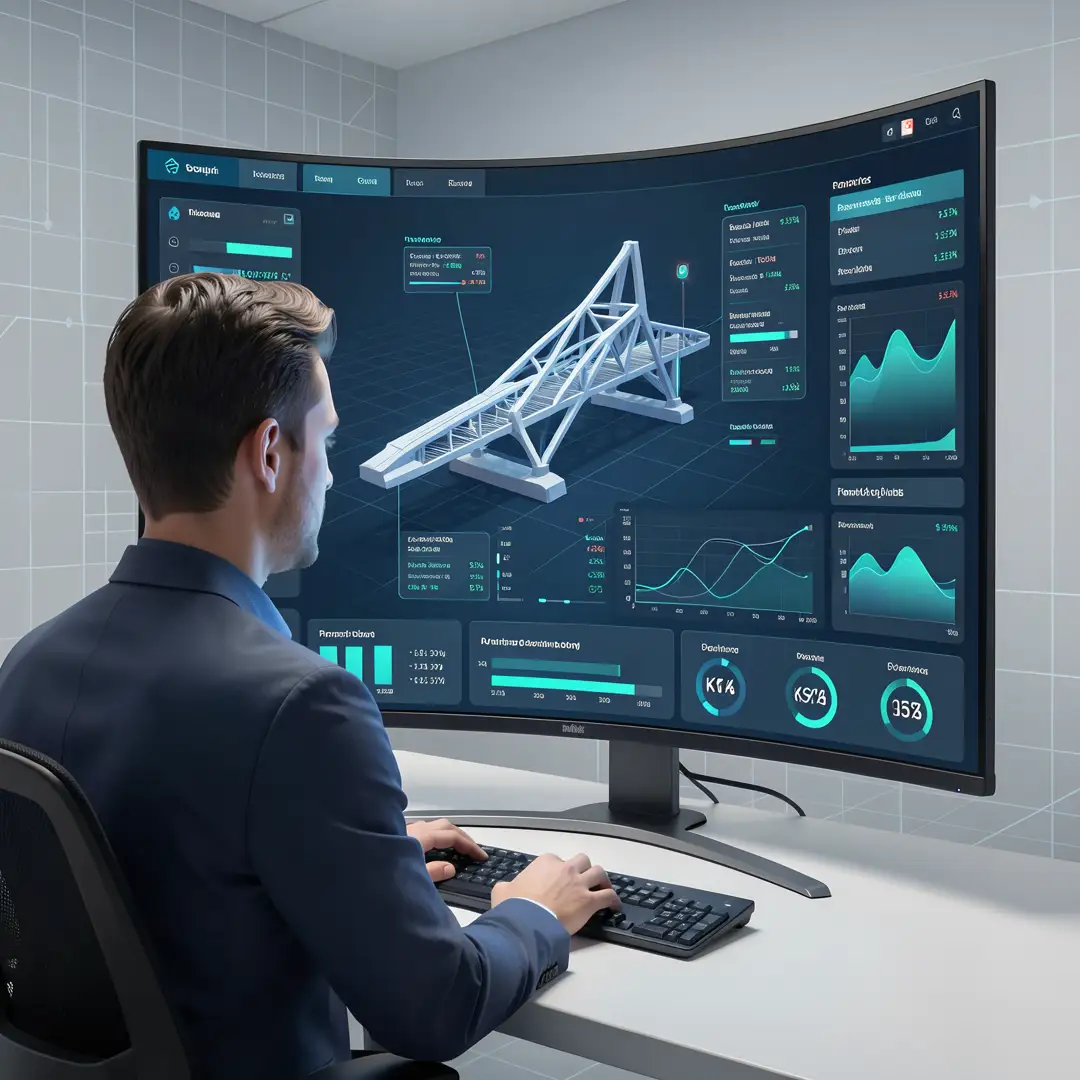
Every digital twin has two halves. The physical asset is the thing in the field: a machine, a vehicle, a building, or an entire network of equipment. The virtual model is the software representation, which may range from a simple dashboard of sensor readings to a full three-dimensional physics simulation. The link between them is data. Sensors on the asset transmit measurements to the model, and insights from the model flow back to engineers or control systems.
Data flow and synchronization
Synchronization is what separates a digital twin from a static CAD file. The frequency of updates can vary widely. A structural health monitor on a bridge might report every few minutes, while a twin of a jet engine might process thousands of readings per second. The right cadence depends on how fast the physical system changes and how quickly decisions must be made.
Types of digital twins
- Component twins focus on a single part, such as a bearing or a valve.
- Asset twins model a complete machine, like a wind turbine or a CNC mill.
- System twins represent interconnected assets, such as a production line or a power grid.
- Process twins model workflows and operations rather than physical hardware.
Simulation, prediction, and optimization
Once a twin is synchronized, it can be used in three escalating ways. Simulation asks “what happens if?” Prediction asks “what will happen next?” Optimization asks “what is the best action to take?” Most mature programs progress through these stages over months or years rather than launching with all three at once.
Deep Dive
Digital twins appear across nearly every engineering domain, but the patterns of use are remarkably consistent. Understanding these patterns helps you recognize where the approach fits your own work.
Design and prototyping
During design, engineers use twins to evaluate how a concept will perform under real conditions before any physical prototype exists. A manufacturer might build a twin of a new electric motor and run it through thousands of simulated duty cycles, adjusting materials and geometry based on the results. This reduces the number of physical prototypes, shortens development timelines, and surfaces problems when they are still cheap to fix.
Manufacturing and production
On the factory floor, digital twins monitor equipment health and product quality. A twin of a welding robot can compare its actual motion against the ideal path and flag drift before defects appear. A process twin can model the entire assembly line, allowing planners to test a schedule change without stopping production. The result is less unplanned downtime and more consistent output.
Operation and maintenance
This is where digital twins deliver some of their clearest returns. By continuously comparing expected behavior with actual behavior, a twin can detect subtle anomalies that precede failure. Maintenance shifts from calendar-based to condition-based, meaning parts are replaced when they need it rather than on a fixed schedule. For expensive assets such as turbines, locomotives, and medical imaging equipment, the savings can be substantial.
Infrastructure and civil engineering
Bridges, tunnels, dams, and buildings are increasingly instrumented with sensors whose data feeds structural twins. Engineers can watch how a structure responds to traffic, temperature swings, and seismic events, then prioritize inspections where the twin shows the most stress. Over decades of service, this record becomes a valuable asset in its own right.
Energy and utilities
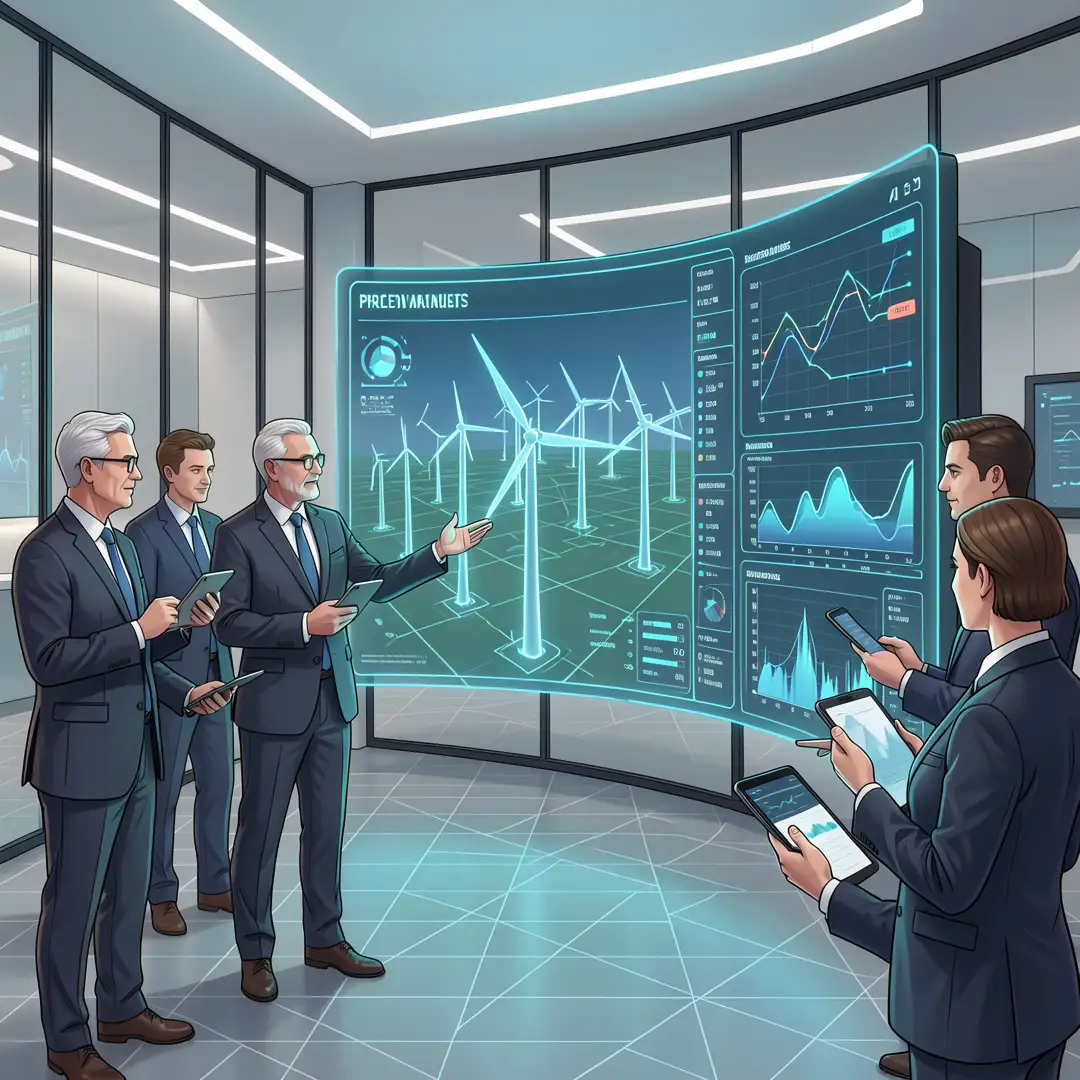
Power generation and distribution rely on twins to balance supply and demand, predict equipment failures, and integrate renewable sources whose output fluctuates with the weather. A twin of a wind farm, for example, can model each turbine individually and adjust pitch angles to maximize output while reducing wear.
Emerging applications
Newer uses include twins of entire cities for urban planning, twins of human organs for surgical rehearsal, and twins of supply chains for resilience planning. The underlying method is the same: mirror the system, feed it data, and use the mirror to make better decisions.
Best Practices
Successful digital twin programs share several habits. These are not exotic techniques; they are disciplined choices that keep a project grounded.
- Start with a specific decision. Define the question the twin must answer, such as “which maintenance action should we take this week?” A twin built without a clear purpose tends to become an expensive dashboard nobody uses.
- Invest in data quality early. A twin is only as good as the data feeding it. Calibrate sensors, document data lineage, and plan for missing or noisy readings.
- Choose the simplest model that works. A statistical model that predicts failure accurately is often more valuable than a physics simulation that takes hours to run.
- Keep humans in the loop. Use the twin to inform engineers, not to replace their judgment, at least until the model has earned trust over many cycles.
- Plan for the full lifecycle. Budget for sensor maintenance, software updates, and model retraining. A twin that decays is worse than no twin because it breeds false confidence.
- Document assumptions. Record what the model ignores. Future users need to know its boundaries.
- Measure outcomes. Track downtime avoided, energy saved, or defects prevented. Tangible results sustain funding and focus.
Reliable information and consistent habits lead to better long-term outcomes. The teams that succeed with digital twins are rarely the ones with the most sophisticated software; they are the ones that review data regularly, update models patiently, and treat the twin as a living part of operations rather than a one-time project.
Step-by-Step Guide
The following process works for a first pilot or for expanding an existing program. Each step builds on the last, so resist the temptation to skip ahead.
Step 1: Understand the fundamentals
Before selecting tools or vendors, make sure your team shares a common understanding of what a digital twin is and is not. Read case studies from your industry, talk to peers who have deployed one, and clarify the difference between a twin, a simulation, and a monitoring dashboard. This shared vocabulary prevents misaligned expectations later. Understanding the fundamentals of how digital twins are used in modern engineering helps you make informed decisions about scope, budget, and partners.
Step 2: Assess your starting point
Inventory the assets you might twin, the sensors already in place, the data you collect, and the software systems you use. Identify gaps: missing measurements, siloed databases, or manual processes that would block synchronization. An honest assessment now saves months of rework. Many organizations discover they already have most of the raw data they need but lack a way to connect and use it.
Step 3: Set clear goals
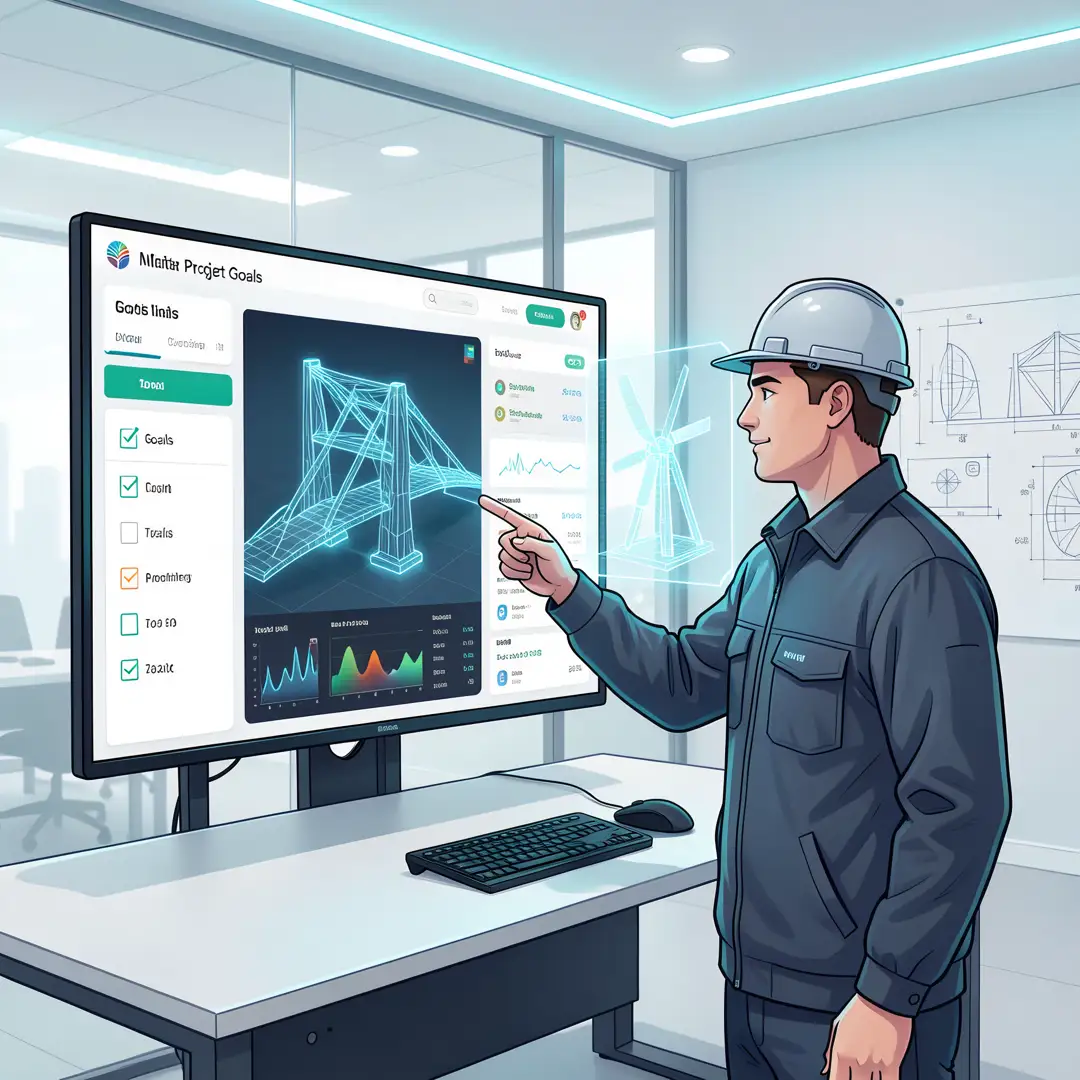
Translate broad ambitions into specific, measurable objectives. Instead of “improve maintenance,” aim for “reduce unplanned downtime on Line 3 by 20 percent within twelve months.” Assign an owner for each goal and define how you will measure success. Clear goals also help you decide which assets deserve a twin first.
Step 4: Gather necessary resources
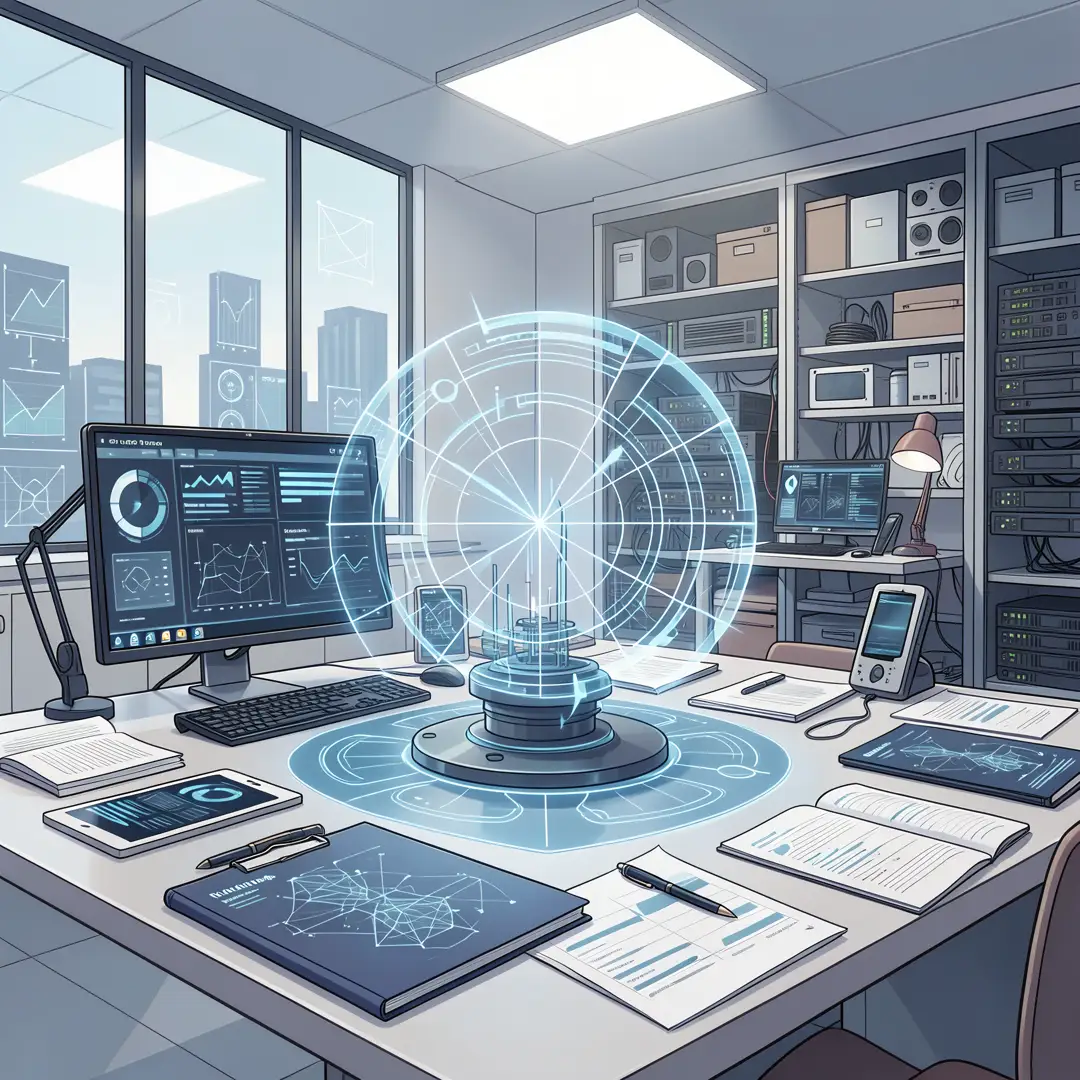
Assemble the people, data infrastructure, and budget the project requires. You will likely need a mix of domain engineers, data specialists, and IT support. Confirm that your network can carry sensor data reliably and that storage and compute are adequate. If key skills are missing, decide whether to hire, train, or partner. Secure executive sponsorship so the project survives competing priorities.
Step 5: Apply the core methods
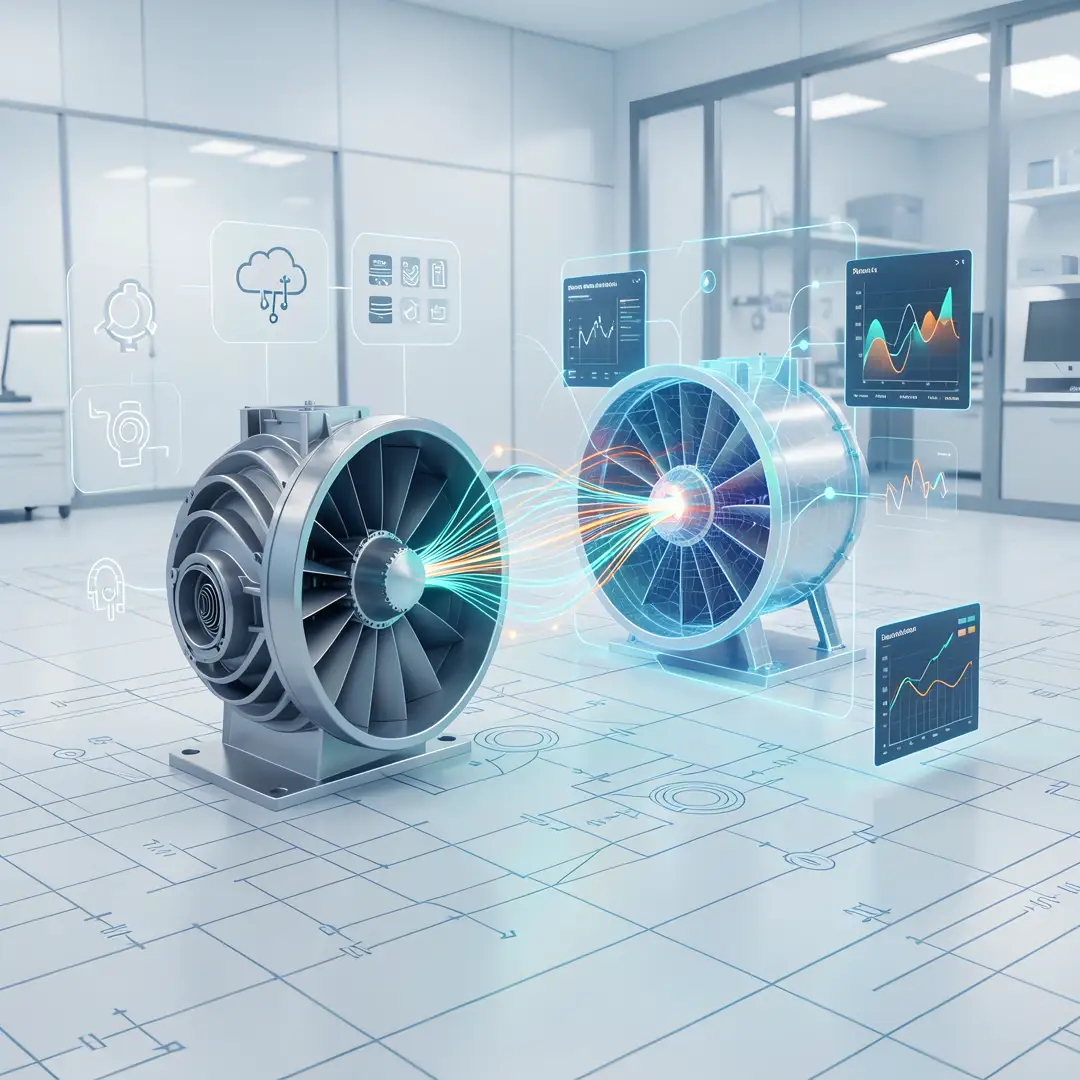
Build the twin in stages. Begin by connecting data streams and visualizing current behavior. Add models that compare expected and actual performance. Introduce prediction and optimization only after the basic loop is stable. Test each addition against real outcomes and refine. Keep the scope narrow at first; a single well-tuned asset twin teaches more than a sprawling system twin that never quite works.
You now have a solid foundation for How Digital Twins Are Used in Modern Engineering. Apply the best practices above and revisit this guide as your needs evolve.